
This gallery contains 5 photos.

This gallery contains 5 photos.
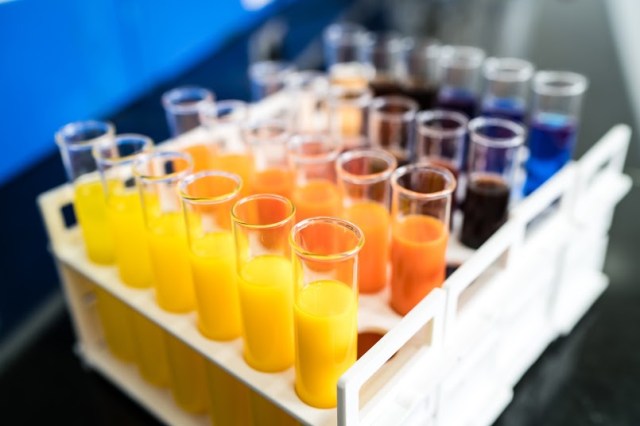
The dyes extracted from plants, animals or minerals are broadly called Natural Food Colors. Their main application is in the coloring of food, pharmaceutical drugs and cosmetics. Natural Food Colors are mostly obtained from plant based materials such as plant seeds, flowers, algae, fruits, vegetables, leaves & bark, crustaceans and sometimes, even insects. Cochineal, an insect from which the natural dye Cochineal is extracted. It is primarily used as a dye for fabrics and in coloring cosmetics dye and also as natural food coloring. Natural colors come from various natural sources and have been used in many industries for consistently coloring products safely.
What is interesting about Natural Food Colors is that they are safe to use as food additives and coloring agents. Since they are naturally derived, they do not have side effects. Natural food colors are popularly food additives that are present in food products that we consume everyday.
Growing concerns regarding synthetic food colors, their safety and and easy availability of natural food coloring options have paved the way for Natural Food Colors in the last few years. This trend is going to continue. A few commonly used natural colors are Beta Carotene, Turmeric (Curcumin), Beet juice (root), red Cabbage (vegetable) and Red Spinach (leaf)
Bio-gen’s food colors are produced at our facility in Dobaspet, Bangalore. All of our colors are extracted from materials that are obtained from sustainable sources that are maintained and where responsible agricultural practices are maintained. We focus on obtaining our materials from regional sources and plantations that adhere to the best of operational and quality standards. Our in-house lab also helps in analyzing all materials that come into out facility and all the Food Colors that are extracted here. Our R&D team has been instrumental in developing our latest offering in Natural Food Colors:
To learn more about our latest Natural Food Colors or to obtain samples, write to info@bio-gen.in


The Bio-gen team enjoyed a day of team-building activities, swimming, great food and catching up with teammates in an informal setting at the Parkfield Resorts, Bangalore.
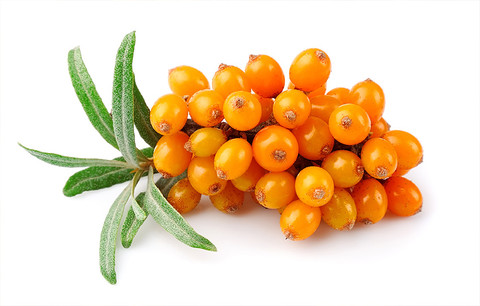
Bio-gen has introduced Sea Buckthorn Oil to its ever increasing portfolio of products. The product, along with documentation is available on request from Bio-gen Extracts.
Naturally, Sea buckthorn fruit consists of sugars, sugar alcohols, fruit acids, vitamins (C, E and K), phenolic compounds, carotenoids, fiber, amino acids, minerals and plant sterols. The fruit contains many of these in high amounts, and is thus considered highly nutritious. Oil content in soft parts is 1.5–3 % while in seed this is 11% of the fresh weight.
Occurrence in Nature
Sea Buckthorn is largely confined to sea coasts where the salt spray from the sea prevents other larger plants from growing near it, but in central Asia, it is more widespread in dry semi-arid zones where other plants cannot survive the dry weather and topological conditions. In Asia & central Europe, it also occurs as a sub-alpine shrub at a higher altitude on the mountains. It is also seen in other areas such as river banks, where the sun light is plenty. Sea Buckthorn is tolerant of salt in its environment, whether it is in the air and soil, but needs good sunlight all year round for its growth. The plant does not grow in the shade or under larger trees.
Health Benefits
The various parts of the plant have been used in traditional medicine for treating several ailments. The Bark and leaves have been used for treating diarrhea and skin disorders. The Sea Buckthorn Berry oil, either taken orally or applied topically, is believed to be a skin softener. In various eastern cultures such as in Indian, Chinese and Tibetan medicines, sea buckthorn fruit is added to medications in belief it affects gastrointestinal, cardiac, blood and even metabolic disorders.
Theraputic value and Nutraceutical Applications
Sea buckthorn (Hippophaerhamnoides L.) is a unique and valuable plant that has recently gained worldwide attention, mainly for its medicinal and nutritional potential. Sea buckthorn (SBT) is a thorny nitrogenfixing deciduous shrub of coldarid region native to Europe and Asia. All parts of this plant are considered to be a good source of large number of bioactive substances like Omega-3, Omega-6 & Omega-9 fatty acids, vitamins (A, C, E, K, riboflavin, folic acid), carotenoids (carotene, lycopene), phytosterols (ergosterol, stigmasterol, lansterol, amyrins), organic acids (malic acid, oxalic acid), and some essential amino acids.(Beveridge et al., 1999; Yang and Kallio, 2001; Pintea et al., 2005).
A wide spectrum of pharmacological effects of Sea buckthorn have been recently reported, including antioxidant, immunomodulatory, anti-atherogenic, anti-stress, hepatoprotective, radioprotective and tissue repair (Suleymanet al., 2001; Saggu et al., 2007; Upadhyay et al.,2011).
Sea buckthorn is unique in the sense that it provides Omega-3, Omega-6 and Omega-9 from a vegetarian source. In addition to which is 100% organic and gluten free. Thereby making it an ideal ingredient with wide ranging applications in the Food and Beverages industry.
To know more about our Sea Buckthorn Oil or our other HACCP, OHSAS, ISO, KOSHER, HALAL & GMP Certified products, mail us at info@bio-gen.in
One of the biggest challenges facing our world today is consumer awareness towards the benefits of nutrition and nutraceuticals and their role in a healthy lifestyle. For a society that has long practiced a symptomatic treatment approach to fighting diseases, a curative, therapeutic or restorative approach to health and well-being requires a great change in mind set, common practices and customs involved in and around how we deal with the delivery of healthcare and medication. Yes, what all this calls for is a shift in mind-set, and at scale, at the grass-root levels.
This is neither a simple or easy challenge nor is it one with a definitive road map. In order to create a win-win situation between the creators and consumers of medical and nutritional solutions that deal with well-being rather than cure, it is important to drive this perception into society that one needs to adopt a mind-set of healthy-living and what their part is towards that goal. This however comes with a lot of friction in terms of reach, understanding and even adoption in communities where these perceptions may betoo strange for most to commoners to understand.
The challenge therefore, apart from the creation and distribution of affordable theraputic solutions is the education and facilitation that would drive the adoption of the mindset that right nutrition can be theraputic and would have long-term benefits. What should be addressed is, how one would identify ways of spreading awareness in communities that are significantly diverse in their educational, economic, social and cultural background.
This calls for a wide-spread health-renaissance of sorts, not only in those who already have sufficient education and well-being, but everyone. A renaissance that helps people understand and adopt a mind-set of well being through a nutritional and therapeutic framework at a personal level. One that is part of the lifestyle. In order to make this a reality, there needs to be a collaboration between, medical practitioners, educational institutions, healthcare providers, media and the various government agencies that can support and sustain such an initiative long enough for it to become mainstream and thoroughly influence the life of people at large.
Follows us to learn more about this challenge in our future articles.
Reach us at info@bio-gen.in to learn more about our products and solutions


 Choose Good Health™